
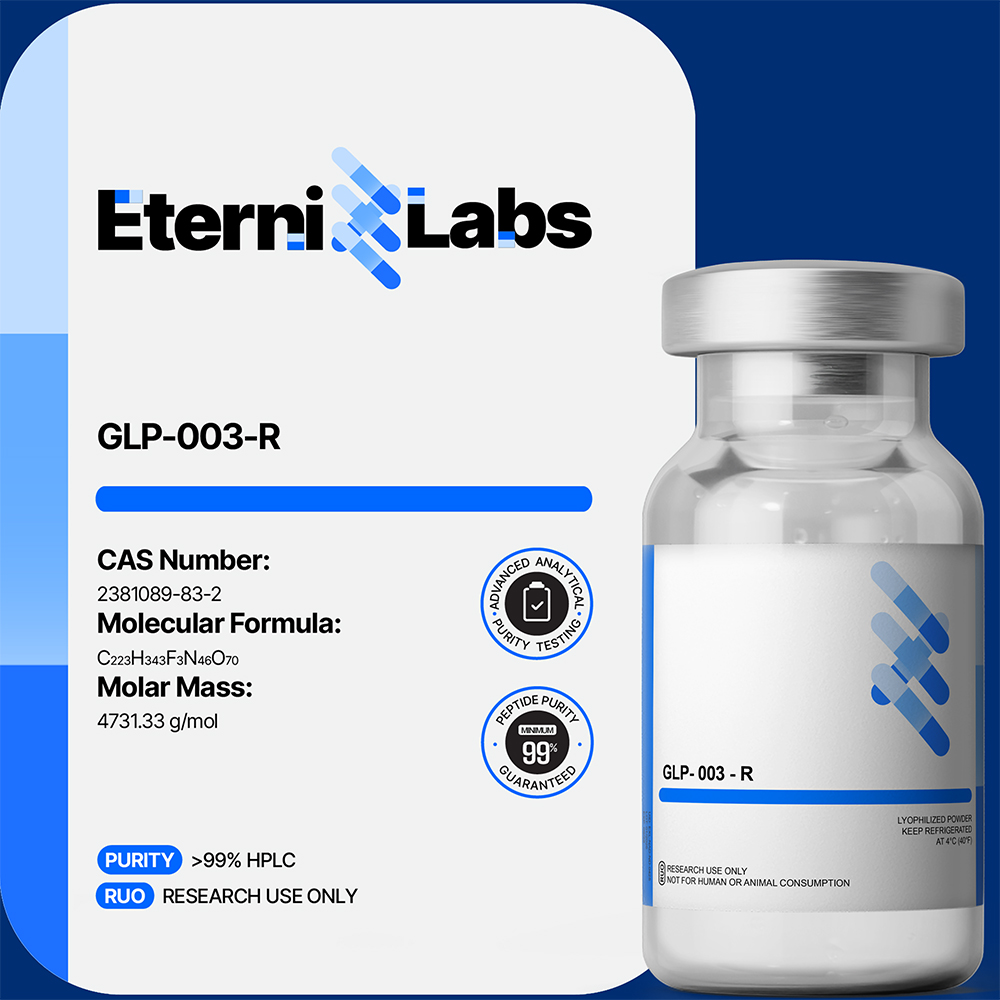

Retatrutide is a synthetic investigational peptide that functions as a triple receptor agonist, simultaneously stimulating the GLP-1, GIP, and glucagon receptors. These three receptors play significant roles in metabolic regulation, including insulin secretion, glucose utilization, appetite suppression, and lipid metabolism. Retatrutide’s unique profile offers a multifaceted approach to metabolic modulation, surpassing the scope of traditional single- or dual-target incretin mimetics.
The development of Retatrutide reflects growing interest in multi-agonist strategies to achieve synergistic effects on energy balance and glycemic control. GLP-1 receptor activation enhances insulin secretion, suppresses glucagon release, and slows gastric emptying. GIP receptor stimulation contributes to insulinotropic activity andlipid regulation. The activation of the glucagon receptor, while counterintuitive at first glance, has shown promise in promoting lipolysis and increasing energy expenditure when balanced with GLP-1/GIP actions.
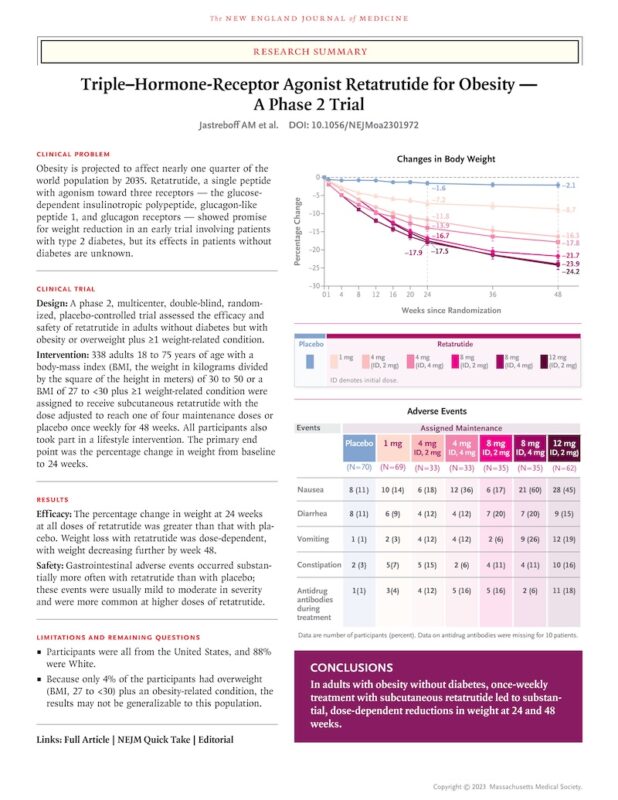
Retatrutide has also been explored in hepatic steatosis and non-alcoholic fatty liver disease (NAFLD) models, where it reduced liver fat content and improved liver enzyme profiles. Additionally, some early research suggests Retatrutide may improve cardiovascular biomarkers by decreasing circulating triglycerides and improving HDL levels.
The peptide’s long-acting profile allows for sustained receptor stimulation, enabling consistent metabolic effects over time. This property makes it suitable for chronic metabolic studies that aim to evaluate long-term adaptations to multi-hormonal modulation.
Compared to GLP-1 mono-agonists and dual agonists like Tirzepatide, Retatrutide provides a broader mechanism of action. It is often studied in combination with metabolic profiling tools, calorimetry, and gene expression analyses to uncover how simultaneous incretin and glucagon receptor activation influence systemic and cellular metabolism.
Retatrutide’s tri-agonist activity makes it an excellent research tool for scientists investigating obesity, insulin resistance, hepatic lipid accumulation, and metabolic flexibility.
Research:
Retatrutide’s tri-agonist functionality marks a major advancement in peptide-based metabolic research. It acts simultaneously on three key receptors: GLP-1, GIP, and glucagon, each contributing distinct yet complementary effects. This integration allows researchers to explore a broader range of metabolic responses in models of obesity, insulin resistance, and related disorders.
GLP-1 receptor agonism enhances insulin secretion in a glucose-dependent manner, reduces glucagon secretion, and delays gastric emptying—mechanisms well-documented for supporting glycemic control and satiety. GIP receptor activity further supports insulin release and plays roles in adipose tissue regulation and lipid homeostasis. By adding glucagon receptor stimulation to the equation, Retatrutide introduces mechanisms that increase energy expenditure through enhanced thermogenesis and lipid mobilization.
In studies of insulin resistance, Retatrutide improves glucose uptake and insulin sensitivity, especially in skeletal muscle and adipose tissue. Researchers attribute this to increased insulin receptor signaling and improved glucose transporter (GLUT4) expression, contributing to improved systemic glucose utilization.
Liver health is another focal area for Retatrutide research. In NAFLD models, the compound reduces hepatic steatosis, improves ALT and AST levels, and downregulates genes associated with lipid accumulation. This suggests that Retatrutide may support both lipid clearance and inhibition of de novo lipogenesis in the liver.
Beyond metabolic and hepatic outcomes, emerging evidence suggests that Retatrutide may positively influence cardiovascular risk markers. It lowers circulating triglycerides, reduces LDL oxidation, and improves endothelial function in animal models. These effects are being closely studied in long-term cardiovascular outcome studies in preclinical settings.
Researchers are also investigating the effects of Retatrutide on brown adipose tissue activity and mitochondrial biogenesis—areas related to thermogenesis and energy homeostasis. Early findings suggest enhanced mitochondrial efficiency and increased uncoupling protein (UCP1) expression in brown fat deposits.
References:
- Wen, Y., Lemen, D. M., Chen, Y., Lin, Y., Thomas, M. K., Hartman, M. L., … & Konrad, R. J. (2024). Reduction of triglyceride-rich lipoproteins with retatrutide in type 2 diabetes may be explained by concurrent reduction in angptl3/8 levels. European Heart Journal, 45(Supplement_1). https://doi.org/10.1093/eurheartj/ehae666.2862
- Lopez, D., Pajimna, J., Milan, M., Jasul, G., Orpilla, G., Zapanta, I., Serquiña, B., & Dychiao, G. (2024). 7792 Efficacy of Retatrutide for Weight Reduction and Its Cardiometabolic Effects Among Adults: A Systematic Review and Meta-Analysis. Journal of the Endocrine Society, 8. https://doi.org/10.1210/jendso/bvae163.749.
- Rosenstock, J., Coskun, T., Hartman, M., Lou, J., Wu, Q., Du, Y., Gurbuz, S., Mather, K., Milicevic, Z., & Thomas, M. (2024). 266-OR: Retatrutide, an Agonist of GIP, GLP-1, and Glucagon Receptors, Improves Markers of Pancreatic Beta-Cell Function and Insulin Sensitivity. Diabetes. https://doi.org/10.2337/db24-266-or.
- Pirro, V., Pearson, M., Lin, Y., Hartman, M., Roth, K., Duffin, K., Willency, J., Haupt, A., & Ruotolo, G. (2024). 117-OR: Effects of Triple-Hormone Receptor Agonist Retatrutide on Lipid Profiling in Participants with Obesity. Diabetes. https://doi.org/10.2337/db24-117-or.
- Tewari, J., Qidwai, K. A., Tewari, A., Kaur, S., & Maheshwari, A. (2025). Efficacy and safety of triple hormone receptor agonist retatrutide for the management of obesity: a systematic review and meta-analysis. Expert Review of Clinical Pharmacology, 18(1-2), 51-66. https://doi.org/10.1080/17512433.2025.2450254
- Polovina, S., Šumarac-Dumanović, M., & Micić, D. (2024). Obesity management: a clinician’s perspective lečenje gojaznosti iz perspective kliničara. Arhiv Za Farmaciju, 74(3), 335-347. https://doi.org/10.5937/arhfarm74-50566
- Heerspink, H., Lu, Z., Du, Y., Duffin, K., Coskun, T., Haupt, A., & Hartman, M. (2024). 754-P: Effect of Retatrutide on Kidney Parameters in People with Type 2 Diabetes and/or Obesity—A Post-Hoc Analysis of Two Phase 2 Trials. Diabetes. https://doi.org/10.2337/db24-754-p.